
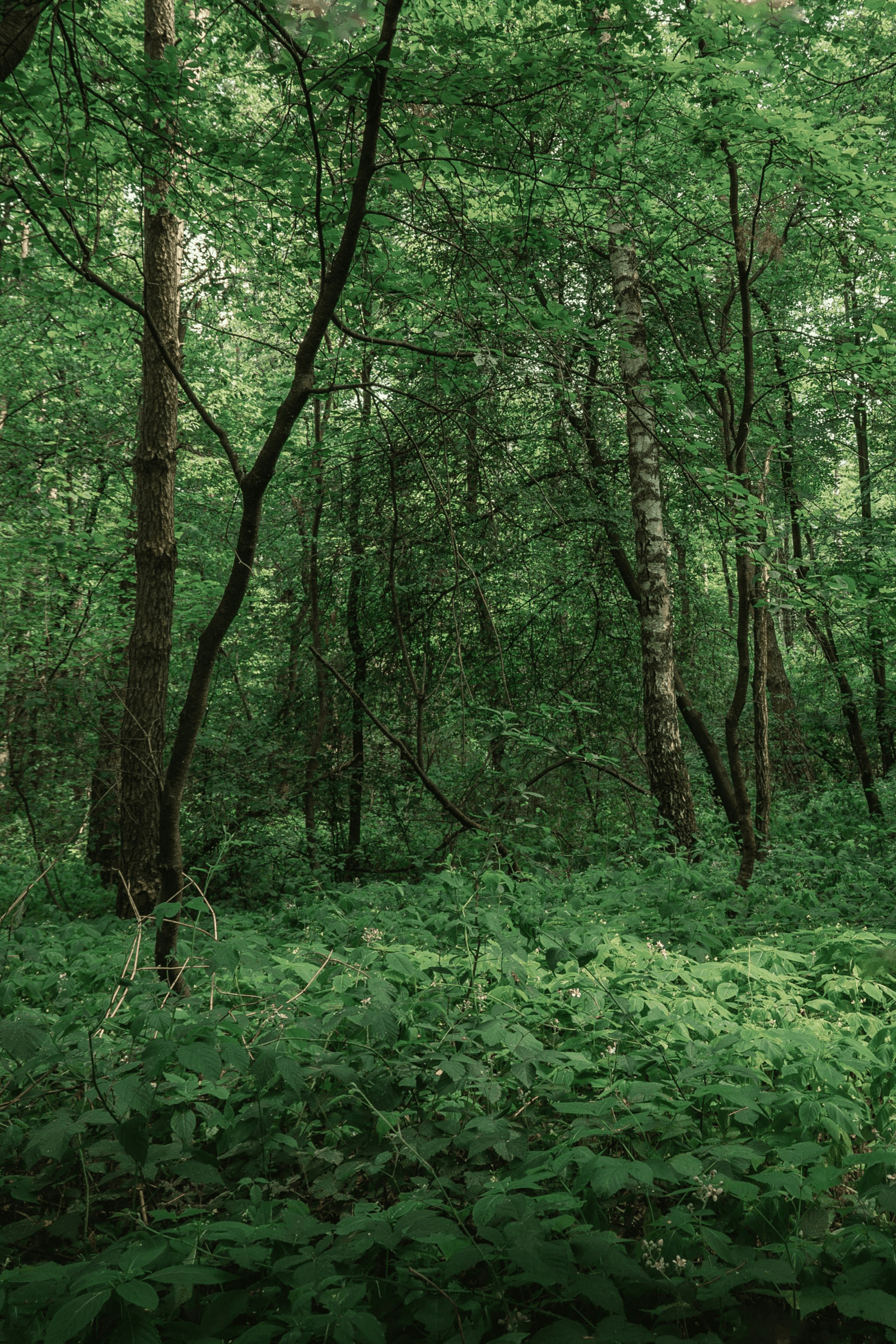
Victoria Falls is one of Africa’s most extraordinary natural wonders. Its powerful waterfall, lush rainforest, winding Zambezi River, and remarkable wildlife attract travellers from around the world. For Zimbabwe, this iconic destination is also an important source of tourism revenue, employment, and opportunities for local communities.
But with tourism comes responsibility.
As more travellers discover Victoria Falls, protecting the natural environment becomes just as important as welcoming visitors. The challenge is finding the right balance: creating unforgettable travel experiences while safeguarding the landscapes, wildlife, and ecosystems that make the destination so special.
In 2024, sustainable tourism remains an important conversation for Zimbabwe's tourism industry. Travellers increasingly want meaningful experiences, tourism businesses are looking for responsible ways to operate, and conservation continues to play a vital role in protecting Africa's natural heritage.
So, how is Victoria Falls balancing tourism and conservation, and what does this mean for visitors planning a trip to one of Zimbabwe's most famous destinations?
1. Protecting One of Africa's Greatest Natural Wonders
Known locally as Mosi-oa-Tunya, meaning “The Smoke That Thunders,” Victoria Falls is recognised as a UNESCO World Heritage Site for its exceptional natural significance.
The waterfall stretches approximately 1,708 metres across the Zambezi River, creating a spectacular curtain of water that plunges into a deep gorge. Its spray sustains a distinctive rainforest ecosystem, while the surrounding river and wilderness support a variety of plant and animal life.
Protecting this environment is essential to the destination's long-term future.
Tourism depends on the very natural features that make Victoria Falls attractive. If the surrounding environment deteriorates, the experience visitors come to enjoy may also suffer.
Conservation efforts therefore focus on protecting sensitive habitats, managing visitor access, monitoring environmental conditions, and encouraging responsible behaviour.
For travellers, this means enjoying the destination while respecting the natural environment. Staying on designated paths, following park regulations, and avoiding littering are simple actions that help protect the area.
The goal is to ensure that Victoria Falls remains an extraordinary place to visit for generations to come.
2. Managing Tourism While Protecting the Environment
Tourism creates economic opportunities, but large numbers of visitors can also place pressure on natural areas.
Foot traffic, waste, transport activity, infrastructure development, and demand for water and energy all require careful management.
At Victoria Falls, responsible tourism planning is important because the attraction is both a major visitor destination and a sensitive natural environment.
Victoria Falls National Park provides designated trails and viewpoints that allow visitors to appreciate the waterfall while helping manage access to the surrounding rainforest.
Travellers are encouraged to follow marked routes, respect barriers, and listen to park staff and guides.
These measures help protect visitors as well as the environment. The terrain around the falls can be slippery, and the gorge presents serious hazards in certain areas.
Tourism operators also have a responsibility to consider the environmental effects of their activities, from transport arrangements to waste management and the design of visitor experiences.
Balancing tourism and conservation does not mean limiting every visitor experience. It means managing tourism thoughtfully so that people can enjoy the destination without unnecessarily damaging it.
3. Wildlife Conservation Extends Beyond the Waterfall
Although the waterfall is the main attraction, Victoria Falls forms part of a wider natural landscape that includes the Zambezi River, surrounding woodland, and nearby protected areas.
These environments support wildlife such as elephants, buffalo, hippos, crocodiles, and a variety of bird species.
Zambezi National Park, located near Victoria Falls town, offers opportunities to explore Zimbabwe's wildlife through guided game drives and other approved activities.
Farther away, Hwange National Park provides another important conservation landscape, known for its elephants and diverse wildlife.
Wildlife tourism can create incentives to protect natural habitats by generating income for tourism businesses, supporting employment, and encouraging investment in conservation.
However, the benefits depend on how tourism is managed. Wildlife must be allowed to behave naturally, habitats must be protected, and visitors must follow responsible viewing practices.
Travellers can contribute by choosing reputable safari operators, maintaining safe distances from animals, and never feeding or attempting to touch wildlife.
Responsible wildlife experiences help visitors appreciate the importance of conservation while reducing unnecessary disturbance to the animals.
4. Supporting Local Communities Through Tourism
Conservation is not only about protecting plants, animals, and landscapes. It is also about the people who live in and around tourism destinations.
Local communities have an important role in the long-term future of Victoria Falls. Tourism can create jobs for guides, drivers, hospitality workers, artisans, cooks, and many other professionals.
It can also create markets for locally made crafts, locally supplied products, and community-based experiences.
When local people benefit meaningfully from tourism, there are stronger opportunities for long-term economic participation and support for responsible destination management.
Visitors can contribute by buying authentic crafts from local artisans, choosing locally owned businesses where practical, and respecting local customs and traditions.
They can also ask tour operators how their experiences support local employment and community initiatives.
Tourism does not automatically benefit every community equally. Fair opportunities, responsible business practices, and meaningful community involvement remain important.
For Victoria Falls, a sustainable future involves ensuring that tourism supports not only the visitor experience but also the wellbeing of the people who call the destination home.
5. Why Responsible Accommodation Matters
Accommodation is an important part of the tourism experience, and the way hotels and lodges operate can influence the environmental footprint of a holiday.
Water consumption, electricity use, waste disposal, food sourcing, and landscaping all affect how tourism interacts with its surroundings.
In a destination such as Victoria Falls, responsible accommodation practices can help reduce unnecessary environmental pressure.
These practices may include using energy-efficient lighting, reducing single-use plastics, managing wastewater responsibly, minimising food waste, and monitoring water consumption.
Some properties also work with local suppliers and employ people from surrounding communities, helping more tourism revenue remain within the local economy.
Travellers can look for credible environmental policies and ask accommodation providers what practical measures they take.
It is worth remembering that a sustainability claim alone does not prove that a property operates responsibly. Specific actions, transparent information, and recognised standards provide more useful indicators.
For tourism businesses, environmental responsibility can also improve operational efficiency and strengthen relationships with increasingly sustainability-conscious travellers.
6. Climate and Water Conditions Matter
Victoria Falls depends on the Zambezi River, whose water levels fluctuate naturally with seasonal rainfall and conditions across its wider catchment.
These changes influence the appearance of the waterfall and the experiences available to visitors.
During periods of high water, the falls can produce enormous clouds of spray, while lower water levels may reveal more of the gorge and rock formations.
The river's flow also affects certain activities, including rafting and other water-based adventures.
Climate variability and changes in rainfall patterns make careful monitoring of water resources and environmental conditions particularly important across the region.
However, the waterfall's seasonal fluctuations should not automatically be interpreted as evidence of a particular long-term climate trend. Understanding those trends requires reliable scientific data collected over time.
For visitors, the practical lesson is simple: check seasonal conditions before travelling and choose activities that are suitable for the conditions at the time.
For the tourism industry, responsible water management, efficient resource use, and environmental monitoring are important parts of preparing for a changing climate.
7. What Can Travellers Do to Support Conservation?
Sustainable tourism is not solely the responsibility of governments, park authorities, hotels, or tour operators. Visitors also influence how a destination is experienced and protected.
Fortunately, responsible travel does not need to be complicated.
Here are practical ways to make your Victoria Falls holiday more sustainable:
- Respect the natural environment. Stay on designated trails, follow park rules, and never remove plants, rocks, or other natural materials.
- Reduce waste. Carry reusable items where practical, dispose of rubbish correctly, and avoid unnecessary single-use plastics.
- Choose responsible operators. Look for businesses that prioritise safety, respect wildlife, employ qualified guides, and explain their environmental practices.
- Support local businesses. Buy crafts from local artisans, enjoy local cuisine, and consider experiences that provide genuine benefits to local communities.
- Observe wildlife responsibly. Maintain appropriate distances, avoid feeding animals, and follow your guide's instructions.
- Use resources thoughtfully. Avoid unnecessary water and electricity consumption during your stay.
- Respect local culture. Ask permission before photographing people, follow local guidance, and approach cultural experiences with curiosity and respect.
These small choices can contribute to a more positive travel experience while encouraging responsible business practices.
8. Can Tourism and Conservation Thrive Together?
Tourism and conservation are sometimes presented as competing priorities, but they can also support one another.
Well-managed tourism generates income, creates employment, and introduces visitors to the importance of protecting natural places. Conservation, in turn, helps maintain the landscapes and wildlife that make destinations attractive.
The challenge is ensuring that tourism development does not exceed the environment's capacity to absorb its effects.
This requires cooperation between government authorities, conservation organisations, local communities, accommodation providers, tour operators, and travellers.
It also requires honest assessment. Responsible tourism cannot solve every environmental challenge, and a destination's popularity does not automatically mean that conservation is succeeding.
Long-term progress depends on effective environmental management, reliable monitoring, appropriate infrastructure, and fair distribution of tourism benefits.
Victoria Falls has an opportunity to demonstrate how a globally recognised natural attraction can welcome visitors while maintaining a strong commitment to protecting its natural and cultural heritage.
9. Discover Victoria Falls Responsibly with Shungu Africa
At Shungu Africa, we believe that discovering Zimbabwe should be an enriching experience for both travellers and the destinations they visit.
Victoria Falls offers extraordinary opportunities to experience nature, adventure, wildlife, and local culture. With thoughtful planning, visitors can enjoy these experiences while making more responsible travel choices.
We help travellers organise tailor-made itineraries that can include accommodation, airport transfers, guided excursions, wildlife experiences, and additional destinations across Zimbabwe and Southern Africa, where available.
Whether you are planning a short visit to Victoria Falls, a family holiday, a group adventure, or a longer safari itinerary, we can help you explore suitable options for your interests and schedule.
We encourage travellers to respect local regulations, choose reputable activity providers, support local businesses, and appreciate the natural environment that makes Victoria Falls so special.
A well-planned holiday is about more than seeing remarkable places. It is also about understanding them, respecting them, and helping ensure that they remain worth discovering.
Protecting Victoria Falls for Future Generations
Victoria Falls is a powerful reminder of nature's beauty and strength. Its thundering water, dramatic gorge, surrounding rainforest, and connection to the Zambezi River make it one of Africa's most remarkable destinations.
Tourism brings valuable opportunities to Zimbabwe, from employment and business development to international exposure and cultural exchange. But these opportunities come with a responsibility to protect the natural environment and support the communities that make tourism possible.
The future of Victoria Falls depends on maintaining this balance.
When tourism businesses operate responsibly, local communities participate meaningfully, conservation receives appropriate attention, and visitors make thoughtful choices, everyone has an opportunity to contribute to the destination's long-term wellbeing.
Visit Victoria Falls, experience its extraordinary beauty, and help protect the natural heritage that makes it unforgettable.
Let Shungu Africa help you plan a memorable journey through Victoria Falls and discover more of Zimbabwe responsibly.